Professional Drain Cleaning
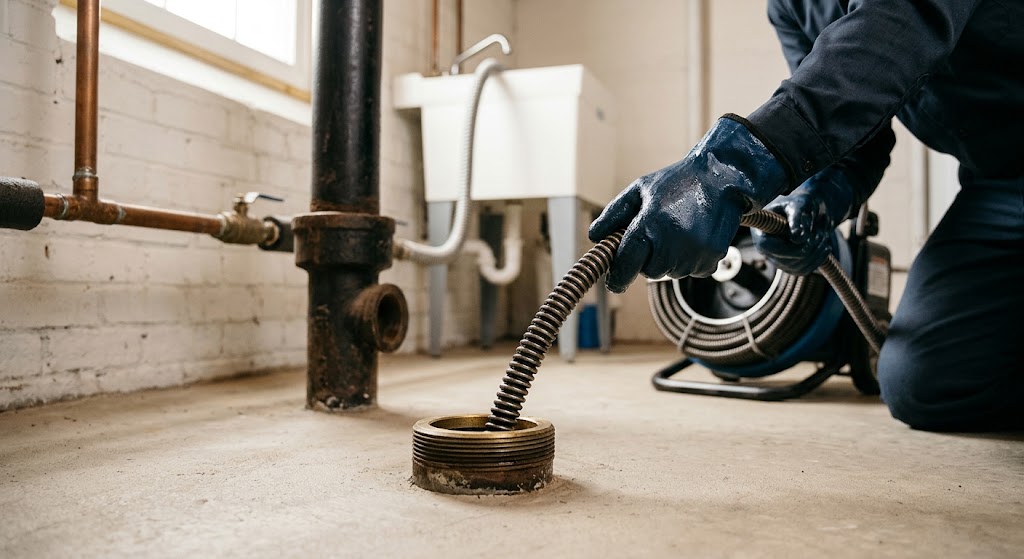
Targeted mechanical cabling and diagnostic snaking to clear kitchen sink grease, bathroom clogs, and main building sewer blockages safely without caustic chemicals.
Portland Drain Service →From seasonal freeze maintenance and stubborn drain clogs to full water heater replacements, our network keeps Maine homes and businesses operating smoothly.

Verified, code-compliant plumbing diagnostics and careful workmanship.
Navigating historic properties, deep winter freezes, and utility connections.
Straightforward communication, upfront clarity, and zero fabricated claims.
From historic coastal multi-family properties to rural and suburban residential homes, our network connects Maine homeowners and facility managers with verified, code-compliant plumbing solutions.
Targeted mechanical cabling and diagnostic snaking to clear kitchen sink grease, bathroom clogs, and main building sewer blockages safely without caustic chemicals.
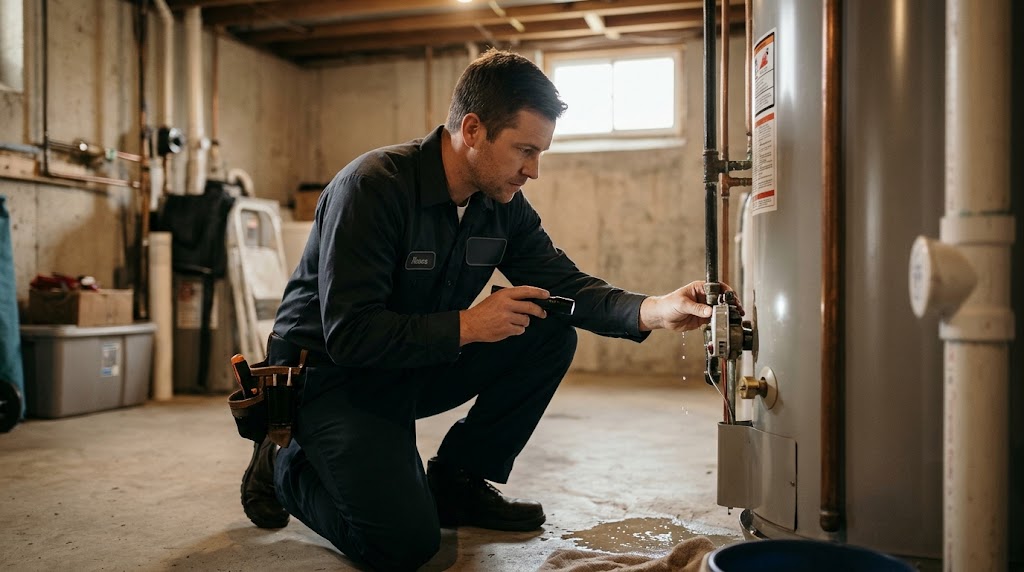
Portland Drain Service →Comprehensive assessment of gas, electric, and hybrid heat pump water heaters. Restoring hot water recovery rates and replacing aged, corroded storage units.
Portland Water Heaters →Non-invasive diagnostic methods to isolate hidden pressurized water line failures behind drywall, under foundation footings, and beneath subfloors before mold spreads.
Bangor Leak Detection →Whether dealing with sluggish wastewater flow, cold water showers, or mysterious water pressure drops, speak directly with an experienced plumbing coordinator who understands Maine municipal codes and local water systems.
Maine presents specific environmental and architectural demands that standard plumbing templates overlook. With a substantial portion of residential structures built before the mid-20th century in communities like Portland, Lewiston, and Bangor, older homes frequently incorporate mixed piping generations�from original cast iron waste stacks to copper branch lines.
During prolonged northern winters, deep frost penetration can stress foundation soil and underground service lines. Adequate insulation, accurate freeze protection, and proper fixture venting under the Maine State Plumbing Code are mandatory to safeguard property investments.
We believe homeowners deserve transparency before work commences. Rather than applying superficial patches or aggressive sales tactics, our network emphasizes factual investigation of the root causes affecting your fixtures.
Whether your property connects to the Portland Water District, Auburn-Lewiston wastewater systems, the Bangor Sewer Utility, or a private rural septic system, we help you understand exactly what repairs are required, what options fit your budget, and how to avoid recurrence.
Clear, practical answers regarding Maine seasonal pipe care, diagnostic evaluations, and property plumbing responsibilities.
Maine's sub-zero winter temperatures create severe pipe freezing risks in crawl spaces and exterior walls. Additionally, a substantial portion of Maine's residential housing stock was built prior to 1950, featuring legacy cast iron, galvanized supply lines, or transitional copper piping. Seasonal fluctuations, deep ground frost, and municipal vs. private septic configurations also require distinct plumbing approaches.
Across Maine municipalities�including Portland, Lewiston, Bangor, and Augusta�property owners are legally responsible for all interior plumbing, the private building sewer lateral from the structure to the municipal main connection, and the water service line from the curb stop or meter pit into the dwelling. Public utilities only maintain mains in the public right-of-way.
Immediately locate and turn off your main water shutoff valve (usually situated in the basement near where the water line penetrates the foundation wall). Never use an open flame to thaw frozen pipes; instead, open faucets to relieve expansion pressure, utilize gentle space heating or warm towels, and call our professional dispatch line at (888) 205-7875.
Incoming groundwater in Maine during winter can drop below 40 degrees Fahrenheit. This steep temperature gradient forces water heaters to work significantly harder to reach standard delivery temperatures (120F), accelerating mineral precipitation and thermal fatigue on heating elements, burner chambers, and tank linings.